Engineering Manager Career Path: 2026 Data Analysis
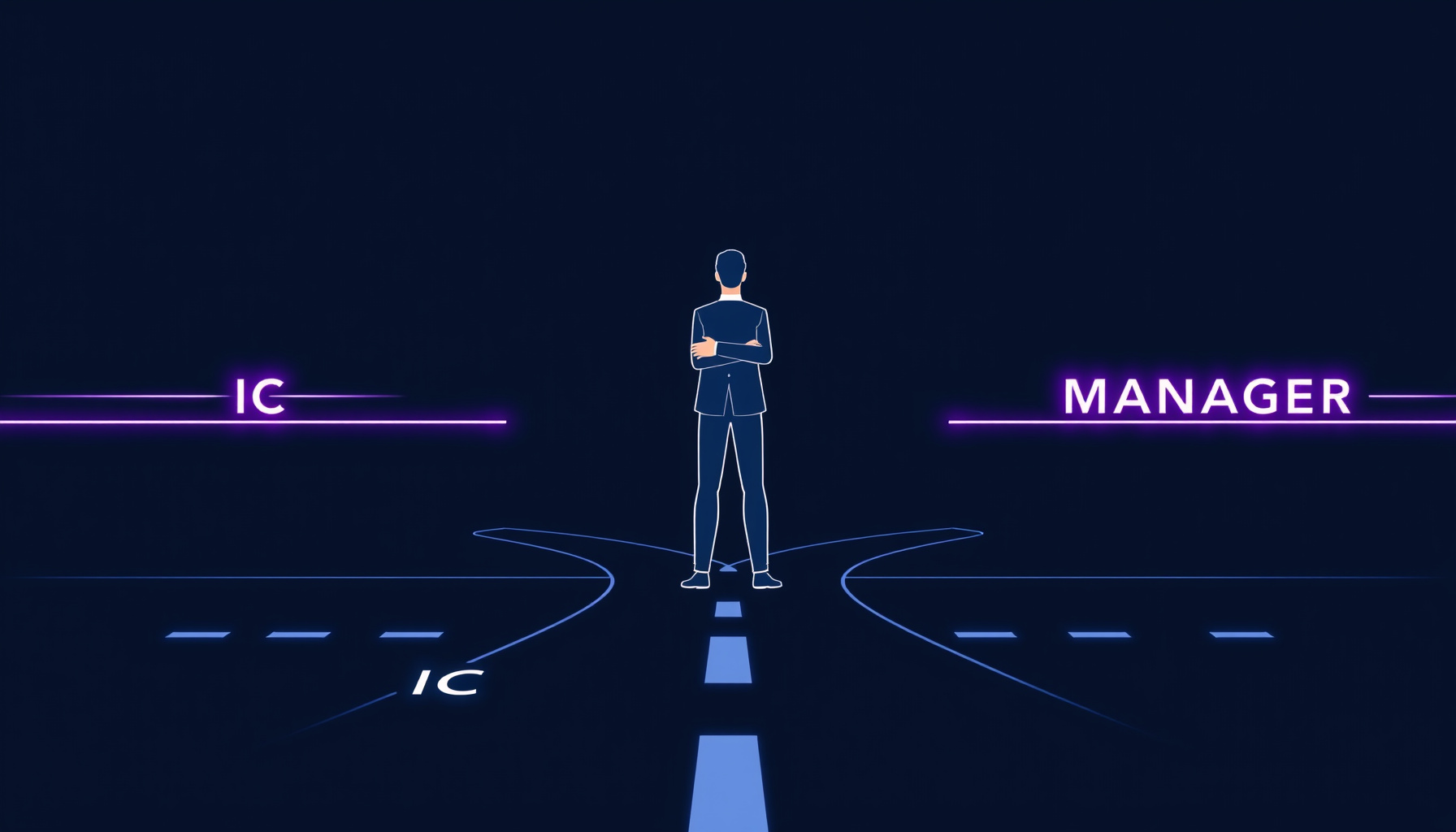
Should I become an engineering manager in 2026? The data suggests this is a role to pursue for the work itself, not for a guaranteed pay increase. The economics of the manager track have fundamentally shifted, with pay now closely calibrated to the senior individual contributor track.
How This Was Researched
This analysis is based on public compensation data, workforce reports, and official statistics. Sources include the SignalFire State of Tech Talent Report 2026, Dice Tech Jobs Report 2026, Levels.fyi compensation data, BLS Occupational Outlook Handbook, Stack Overflow Developer Survey, and Robert Half 2026 salary research. Methodology involved compiling public reports and compensation datasets collected in August 2026. We did not cover startup equity structures or non-US markets; conclusions are limited to the data above. Last researched: August 2026.
Should I become an engineering manager in 2026?
Only if you are motivated by the responsibilities of leadership and organizational impact. The 2026 data confirms engineering manager pay is now intentionally at parity with staff engineer compensation. You should not become an engineering manager for a larger paycheck, as the financial incentive is negligible compared to previous years.
What the 2026 data says about engineering management
The traditional engineering management career path is being reshaped by flatter organizations and a focus on individual contributor impact. SignalFire’s State of Tech Talent Report 2026 notes middle-management layers are being dismantled. The average span of control has increased, with each manager at a Tech Major now overseeing ~12 engineers, up from 10, while at startups it is ~15 per manager. Tech hiring remains 25% below 2019 levels, but software engineers now constitute 55% of all Tech Major hiring. Engineering attrition is relatively low at ~9%, compared to ~13% for sales and design roles.
The rise of the Super IC
The report also identifies the rise of the “Super IC” — individual contributors operating at a manager or director scope without formal reports. This trend reflects a shift toward valuing deep technical leadership over traditional people management, particularly as entry-level hiring has fallen ~65% versus 2019.
Engineering manager pay in 2026
Compensation data reveals tight parity with staff engineering roles. According to Levels.fyi, at Google, the Staff Engineer total compensation is $370-530K versus $350-510K for an Engineering Manager. At Meta, Staff is $400-600K vs EM $380-580K. Mid-size startup ranges are similar, around $200-320K for both tracks. The BLS Occupational Outlook Handbook reports a median annual wage of $169,510 for computer and information systems managers. Furthermore, Robert Half’s 2026 research indicates a significant premium for AI/ML skills, with engineers in that domain at the top of the pay ladder.
Engineering manager vs staff engineer
In 2026, the compensation for these two career tracks is nearly identical, with senior, dual-track ladders deliberately calibrated within 5-10%. This pay parity means becoming an engineering manager no longer provides a clear financial upgrade over remaining on the technical staff track. The decision should therefore hinge on whether you prefer technical depth or people and project leadership.
Why AI skills changed the manager job
Proficiency in artificial intelligence is now a core requirement. The Dice Tech Jobs Report 2026 found that by May 2026, 73% of US tech job postings named at least one AI skill, up from 15% in January 2024. Concurrently, roles with AI-related titles grew 173% year-over-year in Q1 2026. This means an engineering manager must be fluent enough in AI to lead teams and make informed technical bets, not just manage processes and people.
How to decide: a four-question checklist
You should choose the engineering manager track only if the job itself — leading people, driving delivery, and owning outcomes — is what you actually want. Work through these four questions; if more than two of them point away from management, the staff engineer path is likely the better fit.
- Is your motivation for management the pay or the job itself? Given the pay parity with the staff track, you must want the responsibilities.
- Can you tolerate and effectively lead a span of control of approximately 12 engineers? This is the new average at major tech companies.
- Are you fluent enough in AI to lead your team? With 73% of roles requiring AI skills, this is no longer optional for leadership.
- Have you seriously compared the engineering manager path with the staff engineer path? Review the requirements and rewards of both tracks before deciding.
FAQ
How long does it take to become an engineering manager?
Typically, it takes 5-8 years of engineering experience, moving from junior to senior roles before transitioning into management. The path involves demonstrating technical proficiency and developing leadership skills through tech lead or mentorship roles, so start building those skills before the title changes.
Is an engineering manager higher than a staff engineer?
In most modern tech company ladders, they are parallel, senior roles, not hierarchical. A staff engineer is not a direct report to an engineering manager; they are peer-level positions on separate tracks (technical vs. managerial), and mature companies deliberately keep their pay within 5-10% of each other.
How much does an engineering manager make in 2026?
Compensation varies by company and location. On average, it is now nearly identical to a staff engineer. At top tech companies, total compensation ranges from $350K to over $580K, while the national median from the BLS Occupational Outlook Handbook is $169,510.
Explore our career tools and compare companies using our detailed company pages. For more context, read our platform engineering career guide, our AI product management career analysis, and our tech salary negotiation guide.
← Back to all posts